Your AC starts, stops before the house feels comfortable, then starts again. That pattern can be short cycling. It is worth investigating, but the sound of a fan changing speed alone is not enough to diagnose it. Start by observing what the equipment and thermostat are actually doing.
What counts as short cycling?
Short cycling means the cooling system repeatedly ends a cycle prematurely rather than running normally to meet demand. There is no single cycle length that proves a problem in every home. Outdoor temperature, equipment type, thermostat settings, and cooling load all affect normal operation.
Variable-speed systems can run for long periods at lower output. Indoor fans can also continue after the compressor stops. A brief pause after a thermostat adjustment may be a normal protective delay. Repeated brief starts with poor comfort or a recurring fault message are more useful warning signs than a stopwatch alone.
What you can check without tools
- Thermostat settings: Confirm cooling mode, the set temperature, and any schedule changes. Avoid repeatedly turning the system off and back on.
- Filter condition: Inspect the filter and replace or clean it according to its instructions. Use the specified size and a suitable filter type.
- Airflow: Keep supply registers and return grilles open and clear of furniture.
- Recent changes: Note whether cycling began after a new thermostat, filter, equipment installation, or home renovation.
Write down any displayed error code and whether you hear the indoor fan, outdoor unit, or both. Do not open equipment panels to investigate. Our Arizona air filter guide covers filter selection and inspection in more detail.
Common causes need different repairs
Restricted airflow can contribute to coil freezing or protective shutdowns. A thermostat exposed to a supply vent or another unrepresentative temperature may also end calls too soon. Control faults, electrical issues, and refrigerant problems can produce similar symptoms, which is why guessing at a replacement part often misses the cause.
An oversized system may satisfy the temperature near the thermostat quickly while other rooms remain uncomfortable. If this started with a new installation, ask the installer to review sizing, setup, and airflow. The AC sizing guide explains why more capacity is not always an improvement.
Stop repeated resets
If a breaker trips, do not keep resetting it. If you notice burning odors, smoke, sparking, or repeated hard starts, stop using the equipment and get professional help. For smoke or fire, leave the area and call emergency services. Never bypass a safety switch to keep the AC running.
Ice and water are clues, not DIY repair jobs
If you can see ice on accessible equipment or refrigerant piping, turn cooling off and arrange service. Do not chip the ice or open the cabinet. Water near the indoor unit may indicate a drainage problem, and some systems shut down when a protective drain switch activates. Do not defeat that switch or assume a restart has fixed the problem.
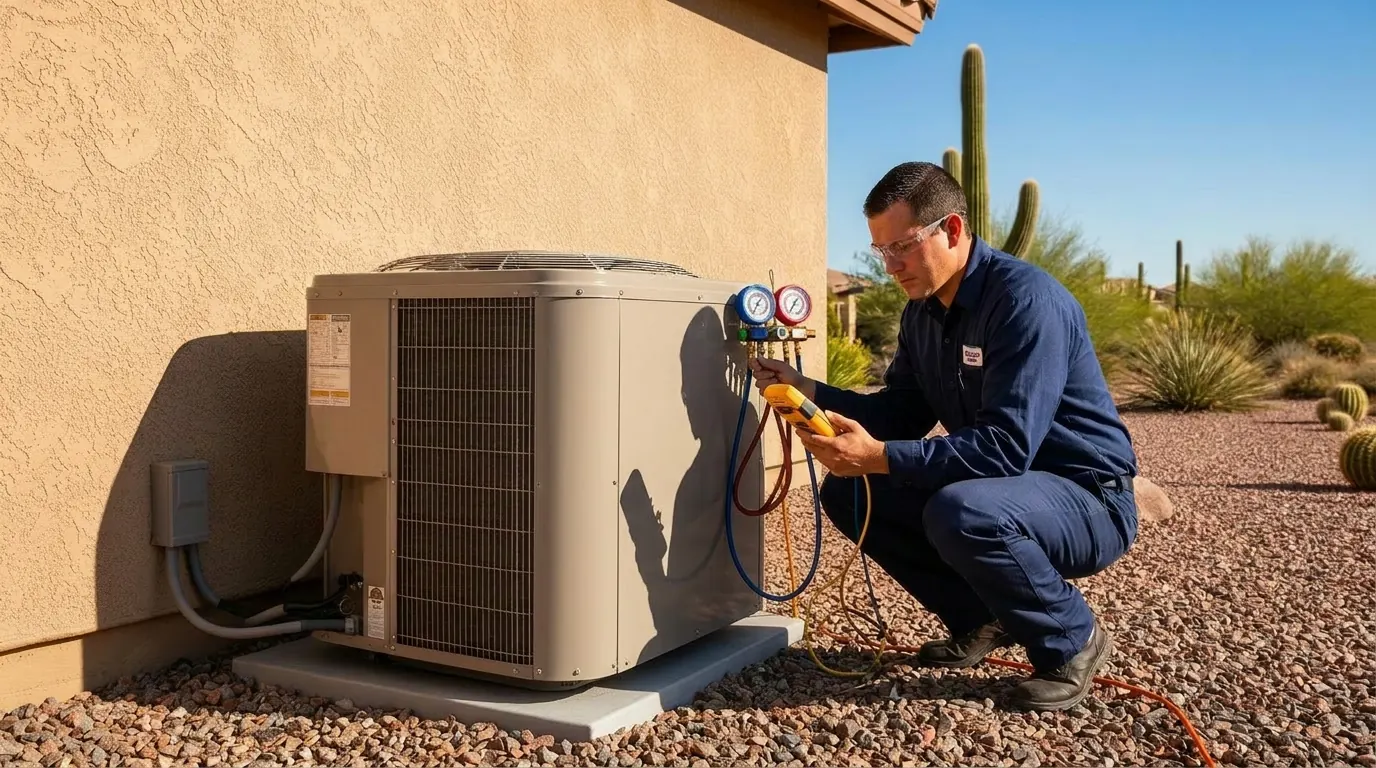
Electrical testing, refrigerant work, and roof-mounted equipment access belong with qualified technicians. Refrigerant does not simply get used up during normal operation, so adding it without investigating a possible leak is not a complete diagnosis.
What to ask at the service visit
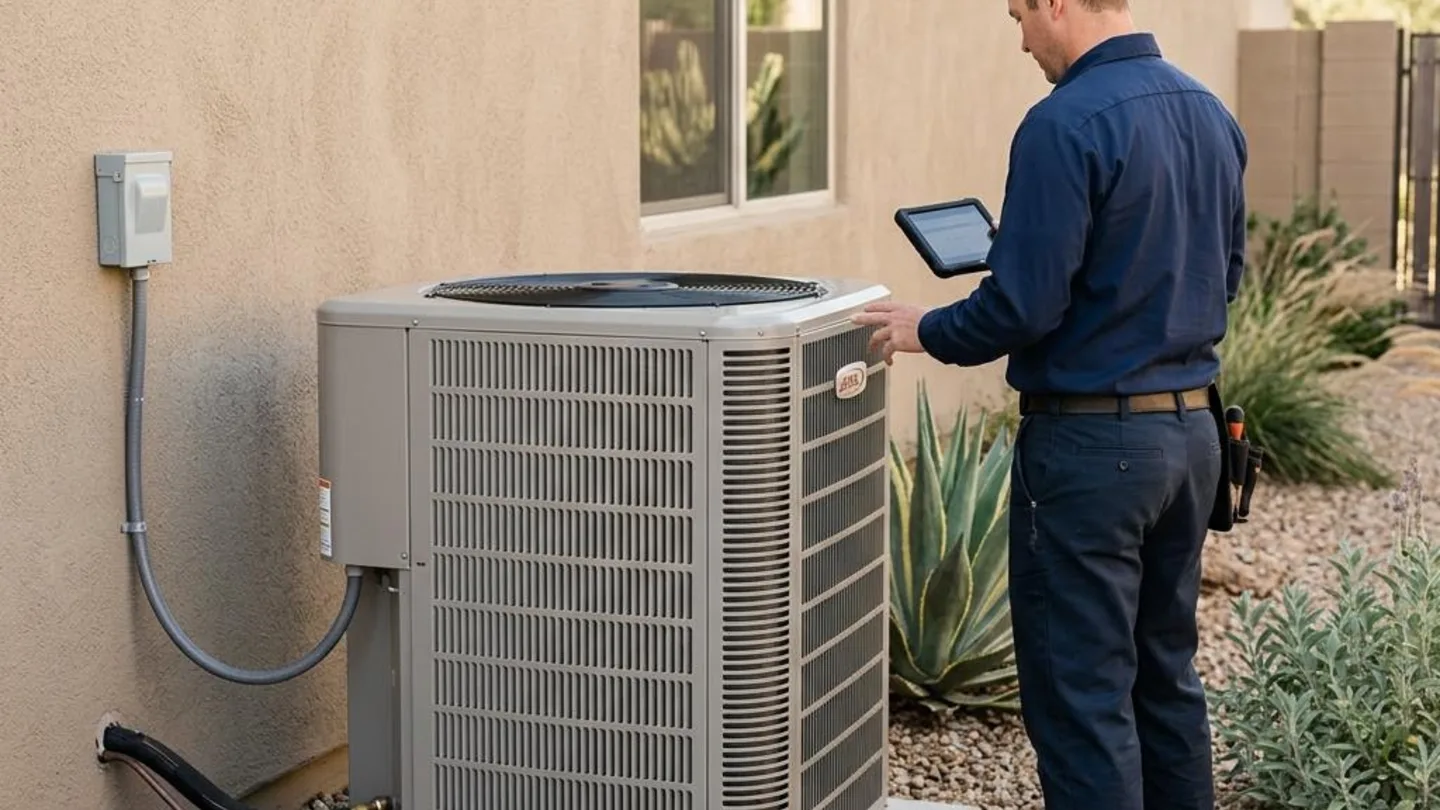
Ask what caused the shutdown, which measurements support the diagnosis, and what repair or adjustment is recommended. A thorough assessment may include airflow, controls, electrical components, and refrigerant performance. Regular maintenance can identify some developing issues, but active short cycling calls for diagnosis rather than waiting for your next routine visit.
If the main symptom is a single warm room, read our uneven-cooling guide. If you are considering separate cooling for a workshop, our garage mini-split guide covers sizing and installation questions.
AC repeatedly starting and stopping?
Schedule AC repair with HomeTown Air and tell us what happens before each shutdown.