A heat pump can feel unfamiliar when the first chilly nights arrive in Mesa. The same equipment that cooled your home is now moving heat indoors, and its winter behavior may not look or sound like a furnace. Here is how to tell a normal heating cycle from a problem, and what to check before you call.
Know what is heating your home
A heat pump uses the outdoor unit for both cooling and heating. A home with a separate gas furnace or another heating system may behave differently, so look at your equipment or ask a technician if you are unsure which setup you have. Some heat pump systems also have backup heat; others do not. Your thermostat and equipment documentation can help you identify the controls actually installed in your home.
When heating, a heat pump often runs longer than a furnace and the air coming from a vent may feel warm rather than hot. Judge it by whether the room gradually reaches the thermostat setting, not by holding your hand over one register. If the indoor temperature keeps falling while the system runs, that is a different story.
Frost, defrost, and ice: what is normal?
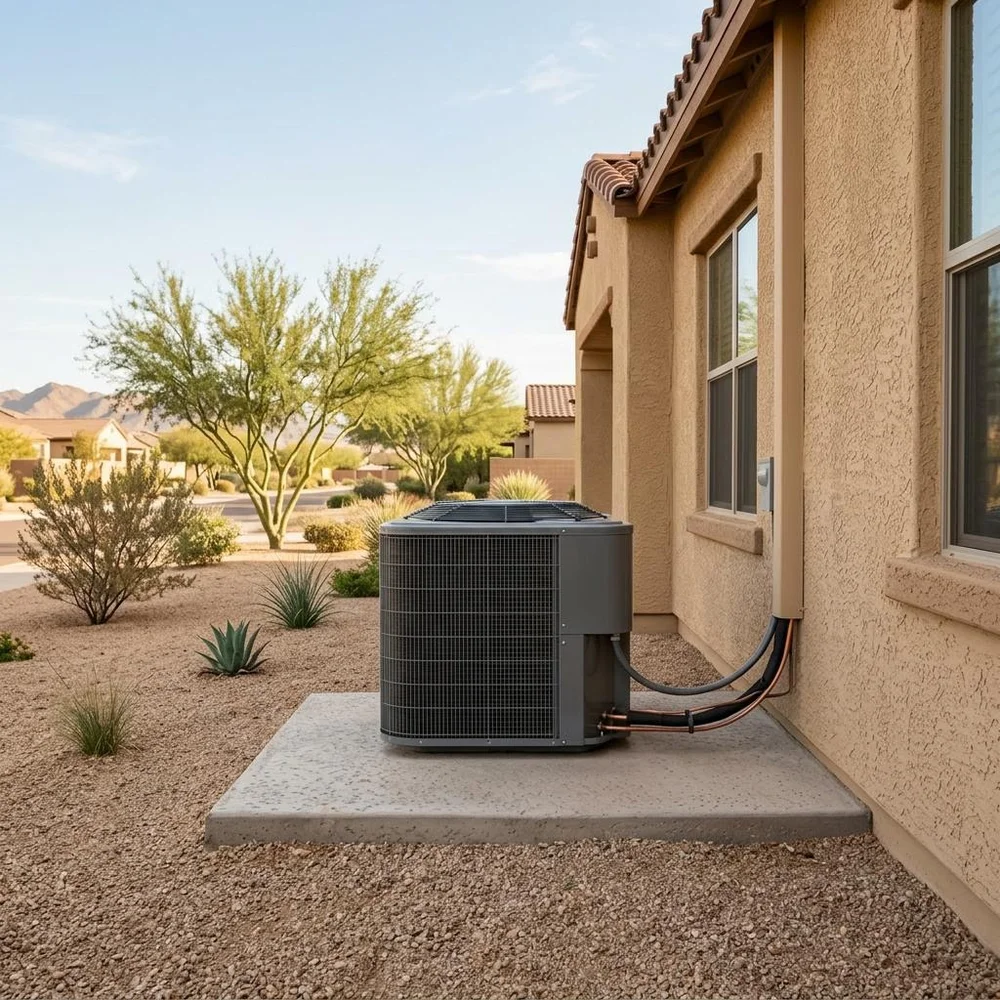
A little frost on an outdoor heat pump during cool, damp weather can be normal. The unit may briefly switch into defrost to clear it. You might notice a pause in warm airflow, a change in fan sound, or vapor rising outside. Give the cycle time to finish and see whether normal heating returns. That brief interruption alone does not mean the unit has failed.
Persistent ice is different. If thick ice remains on the outdoor unit, keeps building up, or heating does not recover after defrost, contact a professional. Do not chip at ice, pour hot water onto the equipment, or open the cabinet. Those shortcuts can damage components and will not address the cause.
Auxiliary is not emergency heat
If your system has backup heat, an AUX indicator can appear when the thermostat calls for extra help or during defrost. Emergency heat is a separate manual mode on some thermostats that bypasses the heat pump. Do not switch to it just because a heating cycle feels slow. Follow your equipment instructions, and ask a technician if you are unsure what a display message means.
Try these safe checks first
Before assuming you need a repair, take a few minutes with the things you can inspect without tools:
- Check the thermostat. Confirm it is set to heat, the requested temperature is above the room temperature, and any schedule is doing what you expect. Use a moderate setting and make changes according to your thermostat and system instructions rather than repeatedly raising and lowering the setting.
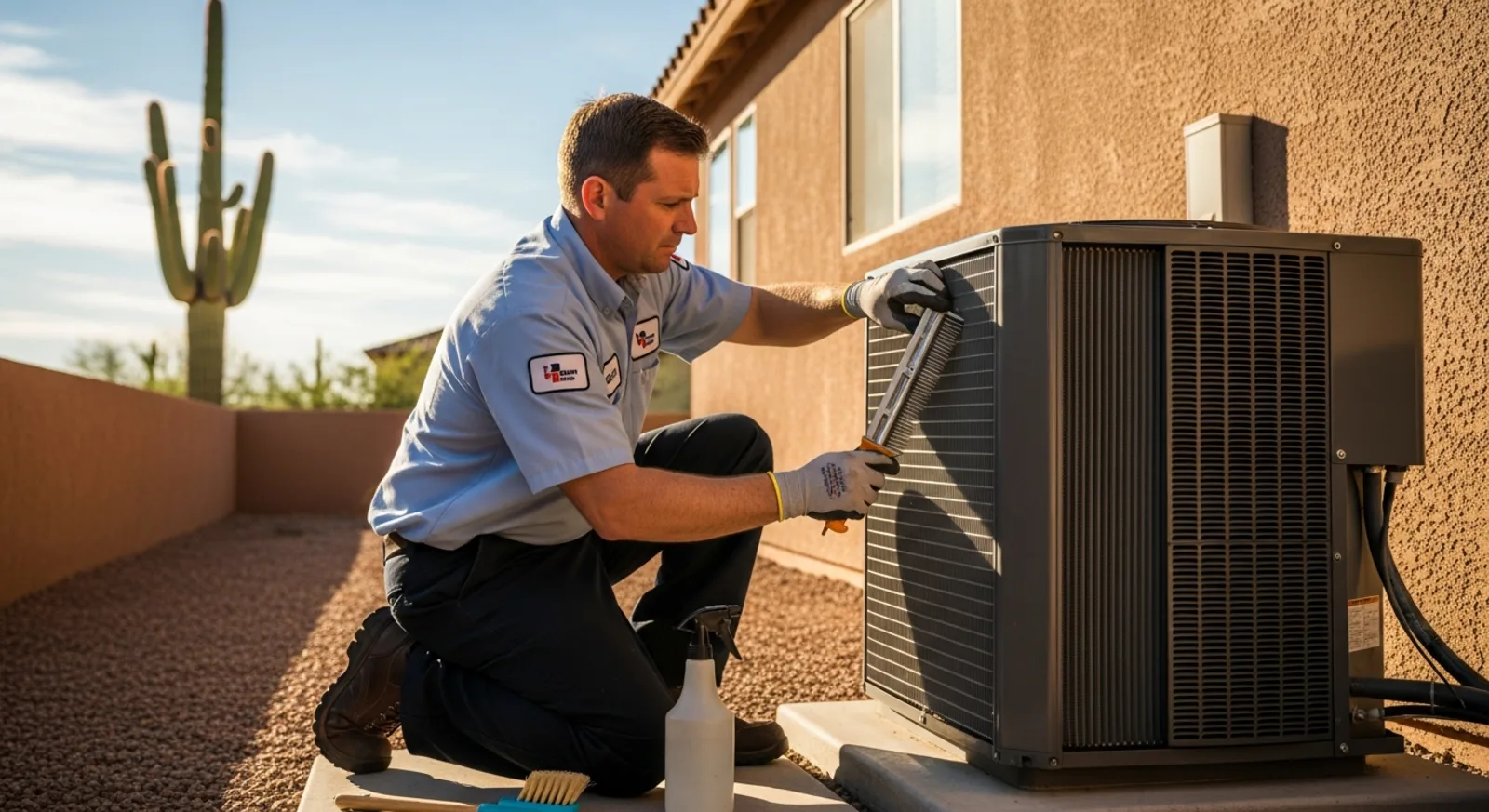
- Check the filter. Inspect and replace or clean it as directed by its manufacturer. Desert dust can collect quickly, but filter type and household conditions affect when it needs attention. Our Arizona air filter guide can help you find the right starting point.
- Look for blocked airflow. Make sure supply registers and return grilles inside are not covered by furniture, rugs, or stored items. From the ground, look for leaves or other loose debris near an accessible outdoor unit. Keep clear of moving parts and do not climb onto a roof to reach equipment.
If the system is still not heating, note what the thermostat displays and whether you hear the indoor or outdoor unit running. That information helps when you call. Leave electrical panels, refrigerant lines, and roof-mounted equipment to a licensed technician. If a breaker trips, do not keep resetting it.
When to get help
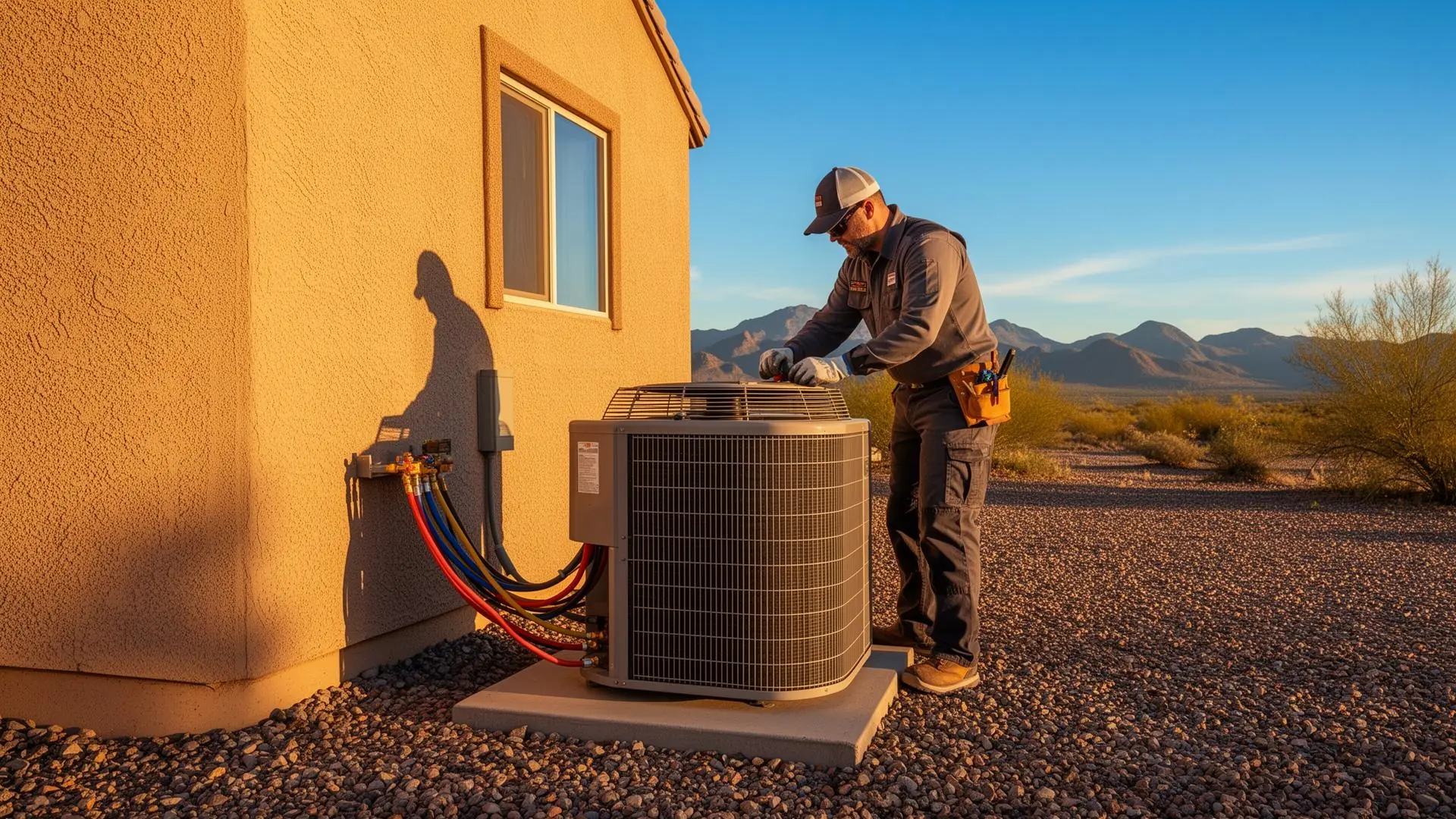
Call for heat pump repair if you have no heat, the room temperature continues to drop, ice does not clear, airflow stays weak after checking the filter, or the system repeatedly stops and starts without warming the home. Unusual noises or a recurring error message are also worth a call. We can check the equipment rather than asking you to guess which part is at fault.
Safety comes first if your home has gas equipment. Keep carbon monoxide alarms working as directed by their manufacturer. If an alarm sounds or you smell gas, leave the home and contact emergency responders or your utility from outside. Do not stay inside to troubleshoot the HVAC system.
Prepare before the next cold night
A short fall check makes the first heating run less of a surprise: inspect the filter, clear accessible debris from ground level, uncover registers and returns, then test heat while the weather is still mild. If something seems off, arrange a professional visit before you need the system overnight. Our fall HVAC checklist walks through that preparation. For more on service timing, read how often to service your AC in Arizona. A professional heating tune-up is a chance to review heating performance and discuss any electrical, refrigerant, or other internal checks your equipment needs.
Heating help in Mesa and the East Valley
Not sure your heat pump is working right?
Tell HomeTown Air what you are seeing. We can help you decide whether it is time for a service visit.