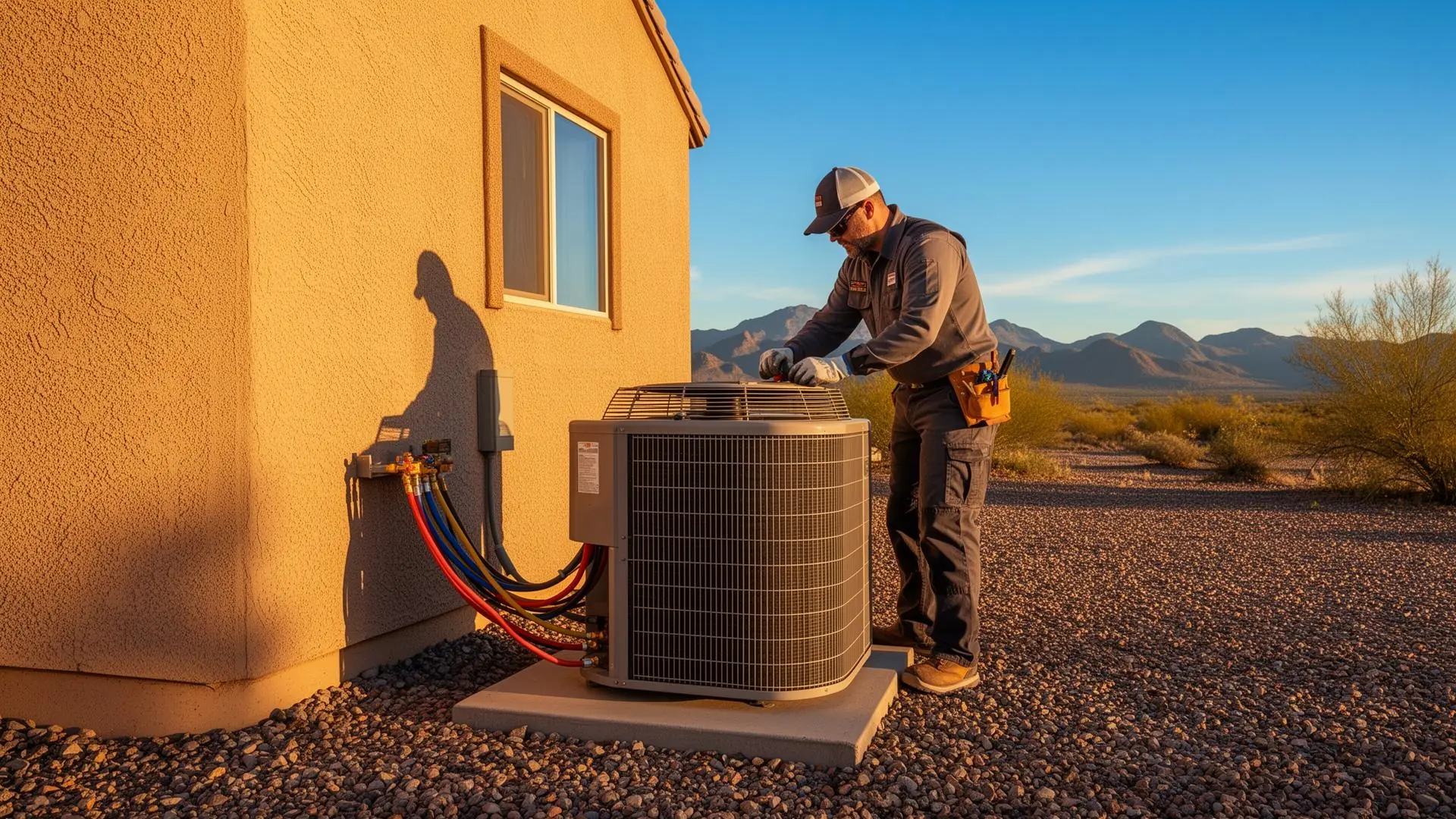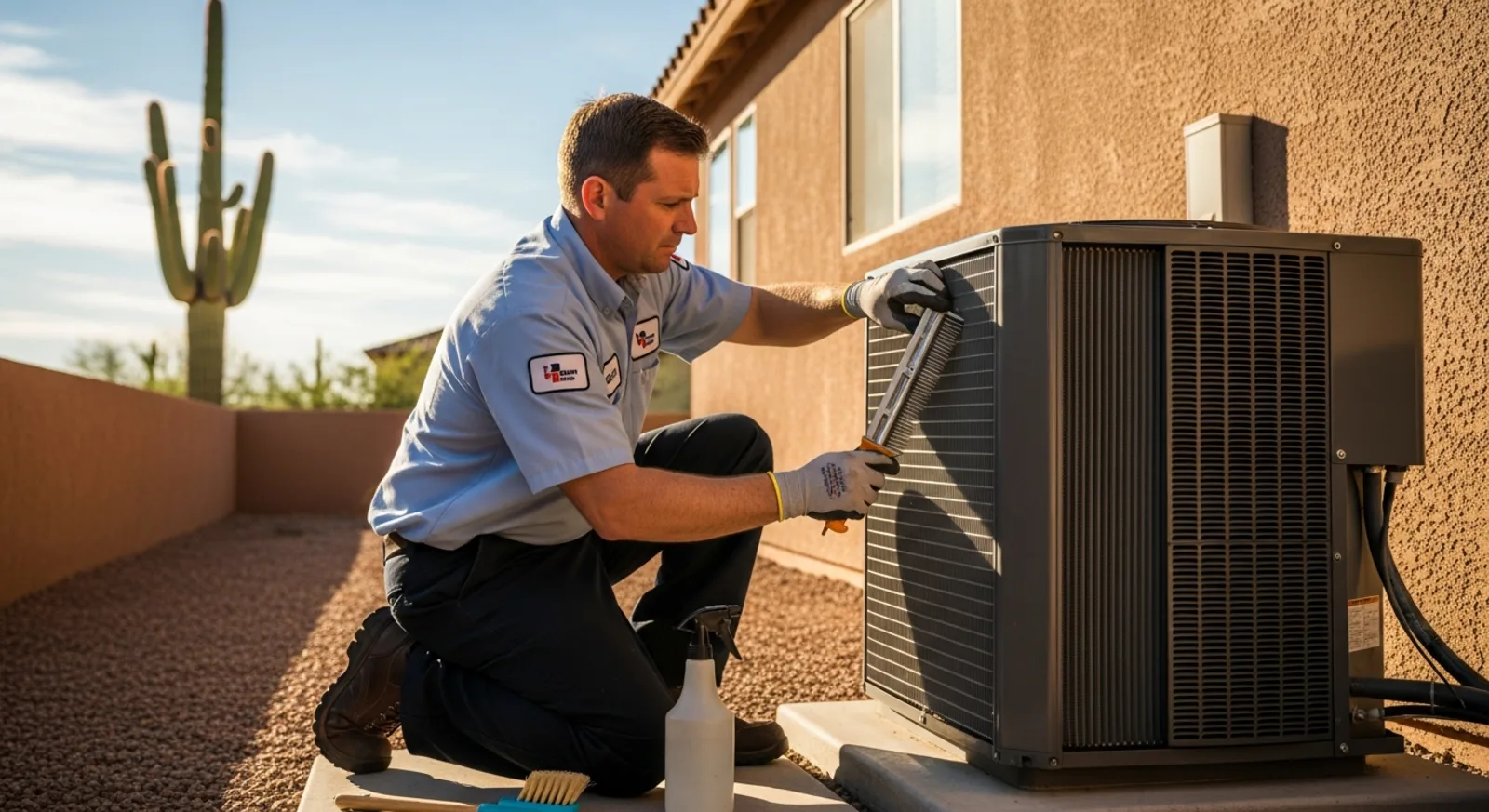
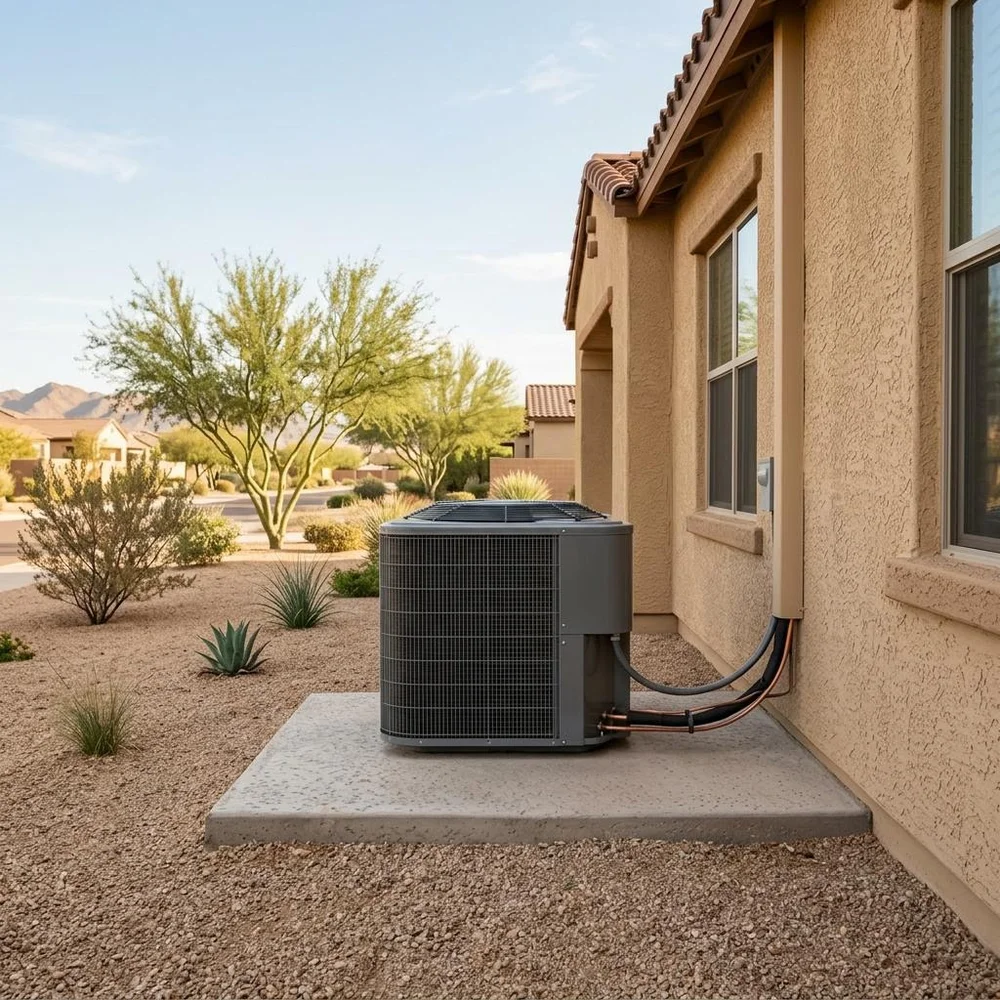
Fall in Mesa can feel like an extension of summer until the first chilly morning catches you off guard. That is a good reason to check the heating side of your system before you need it. You do not have to open equipment or climb onto a roof to get started. Here is a homeowner-friendly checklist for the change of seasons in the East Valley.
Start with the parts you can safely see
Pick a mild day while you still have time to address a problem. These simple checks help you spot blocked airflow or an obvious issue without taking apart the system.
- Check the filter. Find the correct filter size and inspect it. Replace or clean it according to your equipment and filter manufacturer's instructions. Desert dust, pets, and household activity can change how quickly it loads up, so use the condition of the filter as a cue too.
- Clear the outdoor unit from ground level. Remove loose leaves and other debris around it, keeping the space specified by the manufacturer clear. Do not put your hands into the cabinet, spray electrical components, or climb onto a roof to reach a unit.
- Walk the rooms. Make sure supply vents and return grilles are not hidden behind furniture, rugs, or stored boxes. Note any room with unusually weak airflow so you can describe it during a service visit.
- Look for visible trouble. Water near the indoor equipment, damaged wiring you can see without opening a panel, or a new smell or noise is worth a call. Leave electrical, refrigerant, drain, and roof work to a qualified technician.
Give the heat a trial run
Set the thermostat to heat and choose a setting modestly above the current room temperature. Let the system run long enough to see whether the room begins warming. Check that air is coming from the supply vents, listen for unfamiliar noises, and note what the thermostat displays. If nothing happens, confirm the thermostat is in heat mode and check its batteries if your model uses them. Do not repeatedly reset a tripping breaker or keep running equipment that smells burnt.
Your heating equipment matters here. Many East Valley homes use a heat pump that moves heat in either direction; others have an air conditioner paired with a separate furnace. A heat pump's supply air often feels less hot than air from a furnace. What matters more is whether the room eventually warms and stays comfortable. If you are not sure which setup you have, check your equipment paperwork or ask at your next visit instead of guessing from the thermostat alone.
Take gas and carbon monoxide warnings seriously
If you smell gas or a carbon monoxide alarm sounds, leave the home immediately. From outside, contact emergency responders or your gas utility. Do not try to diagnose or restart the equipment yourself.
Know what a heat pump may do on cold mornings
Heat pumps can run longer than you expect when outdoor temperatures drop. Lukewarm supply air by itself does not mean the unit has failed. Light frost on the outdoor coil may also appear, followed by a defrost cycle that briefly changes the sound or airflow. Persistent ice that does not clear, a house that will not warm, or a unit that stops heating calls for professional attention. Do not chip ice off the coil.
Some systems have auxiliary heat, which may turn on automatically when more heat is needed. Not every home has it. Emergency heat, if your thermostat offers that mode, is a separate manual setting rather than a normal shortcut for faster warming. Follow your system manufacturer's guidance or ask a technician when to use it. Keep thermostat changes moderate and use settings suited to your equipment rather than making large jumps in hopes of speeding things up. For a closer look at winter operation, read our Arizona heat pump winter guide.
Put the technician work on the calendar
A fall visit is the time to have a professional check heating operation, airflow, controls, and components you cannot safely inspect yourself. The work differs for a heat pump and a separate furnace, so tell the technician what equipment you have and what you noticed during your trial run. Our heating tune-up service page explains heating-mode checks, while our AC maintenance page covers ongoing cooling care. If the heat pump is already struggling, see heat pump repair instead of waiting for a routine visit.
If you are deciding how a fall check fits with spring service, our article on how often to service your AC in Arizona covers the bigger schedule. For today, write down any weak airflow, unusual sounds, or thermostat messages you noticed. Those details help make your appointment more useful.
Ready for the cooler nights?
Make sure your heat is ready when you are
HomeTown Air helps Mesa and East Valley homeowners prepare for the season and troubleshoot heating problems when they show up.